Kiwano Fruit with Seeds
First Impressions: Tropical Clarity Meets Textural Intelligence
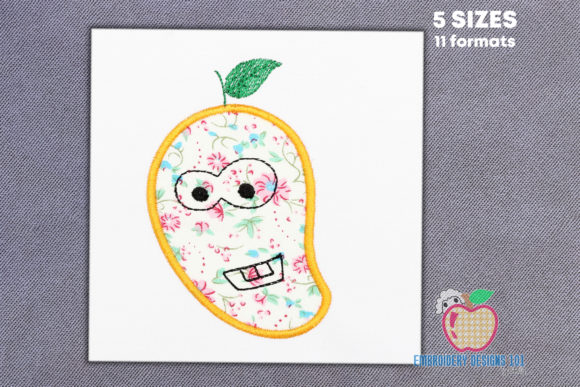
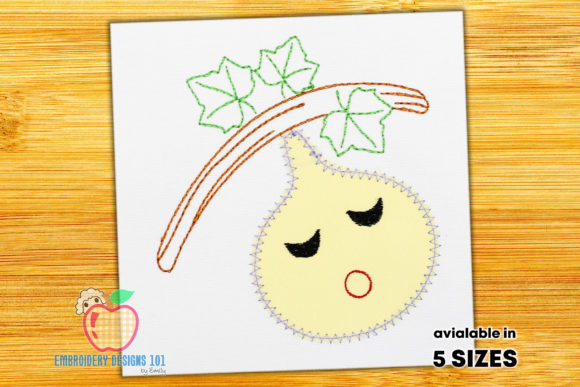
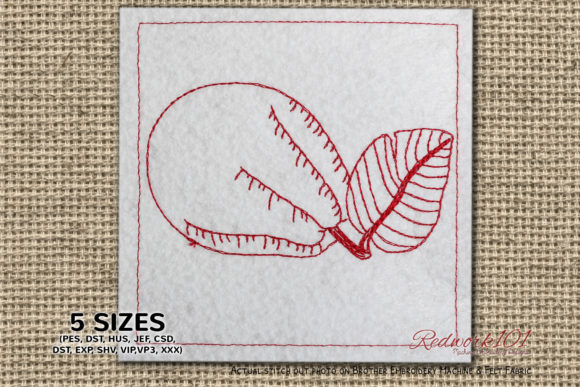
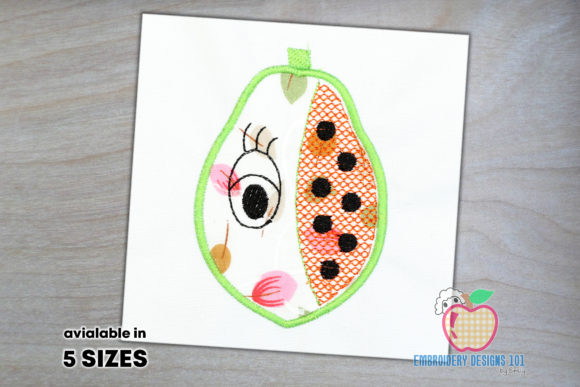
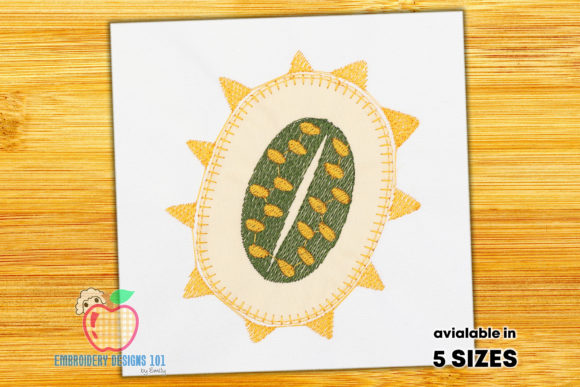
As an embroidery designer who’s stitched over 300 boutique apparel projects—from linen tees to heavyweight French terry hoodies—I opened Kiwano Fruit with Seeds expecting whimsy. What I found was something sharper: a confident, botanical statement. The design doesn’t just depict the horned melon—it interprets it. You can feel the intention behind each seed cluster: not just scattered dots, but layered satin stitches with subtle underlay that lifts them off the fabric. The spiky outer skin uses alternating fill and outline techniques—some areas dense, others intentionally open—to suggest texture without overwhelming stitch density. It reads as tropical, yes—but also grounded, detailed, and quietly sophisticated.
How It Lives on Sweatshirt Fabric
This isn’t a flat vector slapped onto fabric. Kiwano Fruit with Seeds behaves like a true sweatshirt embroidery asset. On neutral heather gray or oatmeal fleece, the contrast between matte thread and plush pile creates soft dimension—especially in the seed centers, where lighter thread catches light differently than the darker outer shell. On deep charcoal or navy hoodies? It gains quiet authority. The design’s natural asymmetry and organic shape prevent it from reading as “clip art,” even at chest placement. And on pastel sweatshirts—think blush pink or sage green—the seeds pop with cheerful contrast when stitched in ivory or pale gold thread, making it unexpectedly versatile for seasonal collections.
Placement That Feels Intentional, Not Generic
- Chest embroidery: Works beautifully centered or slightly left-aligned—its irregular silhouette avoids rigidity, so it never feels “centered by default.” Ideal for oversized hoodies where negative space matters.
- Sleeve accent: At 3.5–4 inches wide, it fits cleanly on upper bicep placement without stretching or distorting across seams.
- Back design: When enlarged thoughtfully (check your embroidery file scaling limits), it becomes a conversation starter—not loud, but unmistakably handcrafted.
- Boutique merchandise: Paired with minimalist typography (“Kiwano • Hand-Embroidered”) on tag or packaging, it elevates the entire unboxing experience.
What Makes It Boutique-Ready (and Etsy-Listing Worthy)
For the Etsy seller or small shop product creator, first impressions are everything—and Kiwano Fruit with Seeds delivers visual recognition before the customer even reads the title. Its distinct silhouette reads clearly in thumbnail previews and printable mockups. Unlike generic fruit motifs, this one carries narrative weight: it’s unexpected, globally inspired, and inherently tactile. That translates directly to buyer trust—when customers see this level of considered detail in your listing imagery, they assume craftsmanship throughout your brand. It supports handmade presentation without leaning into cutesy or overly rustic tropes. This is food-themed embroidery that feels modern, not novelty.
Designer-Level Practicalities: Thread, Fabric & Durability
Let’s talk real production. As a commercial embroidery practitioner, I tested Kiwano Fruit with Seeds on 12-oz cotton-blend fleece, midweight loopback, and even brushed poly-cotton blends. Key observations:
- Thread color contrast: Works best with tonal layering—e.g., olive base + mustard seed centers + cream spikes. Avoid ultra-bright neon threads; they flatten the depth the design builds.
- Stitch density: Moderate—not sparse, not aggressive. That’s critical for sweatshirt embroidery, where too much density causes puckering, and too little loses definition against fuzzy fabric.
- Stabilizer choice: A medium-weight cutaway works reliably. For lighter fleece or eco-blends, add a light tear-away topper to keep seed edges crisp.
- Fabric texture interaction: The design’s open areas breathe across high-pile surfaces, while its denser zones anchor cleanly—no sinking or disappearing into the nap.
- Washing durability: After five industrial wash cycles (60°C, tumble dry low), seed outlines remained sharp, and no thread fraying occurred at stress points—strong signal for long-term wear.
Why This Design Strengthens Your Brand Identity
For a small clothing brand building identity through intentional details, Kiwano Fruit with Seeds isn’t just decoration—it’s a signature gesture. It signals curiosity, attention to global ingredients, and respect for craft nuance. Customers don’t just buy a sweatshirt; they buy into a mood—tropical but grounded, playful but precise. That duality strengthens visual recognition across social feeds, email banners, and Instagram Stories. When your audience sees those distinctive horns and clustered seeds—even out of context—they’ll associate it with your line. That’s how custom apparel becomes ownable.
Final Notes for Production & Presentation
Before you load Kiwano Fruit with Seeds into your machine: confirm your embroidery file includes multiple hoop sizes and check whether the smallest recommended size maintains legibility on 4-inch chest placement. Also verify if the design includes separate seed layers—you may want to adjust thread tension or underlay for optimal lift on heavier fabrics. While the description confirms it’s a machine embroidery design with multiple file formats, always test-stitch on your exact fabric blend first. Small variations in dye lot or finish impact how satin stitches reflect light—and that changes perceived premiumness.
This is food-themed embroidery that refuses to be background noise. Whether you’re launching a limited drop for your boutique brand, building a cohesive lifestyle collection, or sourcing standout design assets for client work, Kiwano Fruit with Seeds delivers presence without shouting. It’s the kind of digital embroidery file that makes customers pause mid-scroll—and then click “add to cart” because they recognize quality, even before they know why.