Pinacolada Cocktail Redwork
A Design for the Bold and the Curious
As a designer who has stitched through countless embroidery files, I’ve learned that the best machine embroidery designs are those that not only look good on screen but also hold up under real-world conditions. Pinacolada Cocktail Redwork is one such design that caught my eye with its bold simplicity and potential for versatility. But before I commit to using it in a client project or selling it as a digital product, I need to evaluate its practicality and visual impact.
The First Impression: A Cocktail of Simplicity and Style
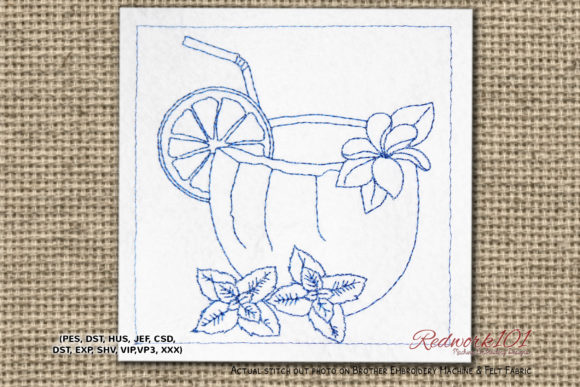
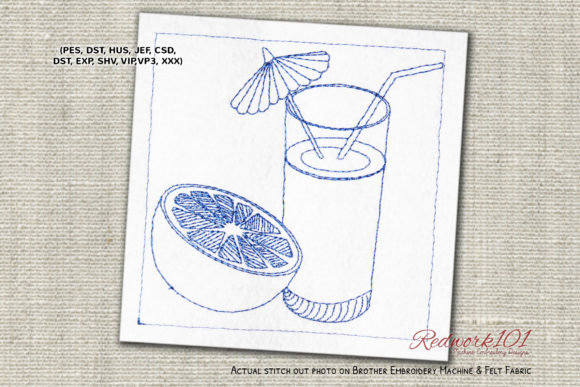
At first glance, Pinacolada Cocktail Redwork feels like a refreshing take on classic redwork embroidery. The design features a stylized cocktail glass with a tropical twist—think pineapple, umbrella, and a splash of color. It’s clean, modern, and instantly recognizable. The layout is balanced, with enough negative space to keep the design from feeling cluttered. The use of box stitch adds a touch of texture without overwhelming the composition.
What stands out most is how well the design translates from digital mockup to physical fabric. The lines are crisp, the shapes are well-defined, and the overall mood is upbeat and inviting. This makes it a great candidate for projects that require a fun, colorful, and approachable aesthetic.
Real-World Use Cases: Where Does This Design Fit?
Pinacolada Cocktail Redwork is surprisingly versatile. It works well on custom apparel like sweatshirts and t-shirts, where it can add a playful touch to casual wear. It’s also suitable for tote bags, especially those with a beach or tropical theme. For smaller items like embroidered patches or baby clothes, the design holds up nicely, though care should be taken with the placement of details.
One of the most interesting applications is for holiday or seasonal gifts. Imagine a personalized pillow cover or tea towel featuring this design—perfect for summer or a tropical-themed party. It could also work well for boutique branding, especially if you're targeting a younger, trend-conscious audience.
However, it's important to consider the context in which the design will be used. While it looks great on light-colored fabrics, it may lose some of its vibrancy on darker backgrounds. That said, the design’s simplicity allows it to adapt well to different color schemes, especially when paired with contrasting thread colors.
Practical Considerations: What to Watch For
Like any embroidery design, Pinacolada Cocktail Redwork has its limitations. One thing to be mindful of is the use of small details. The design includes subtle elements like the rim of the glass and the handle, which might be difficult to see on textured or thin fabrics. If you're working with stretchy materials like denim or cotton blends, you’ll want to ensure the design doesn’t distort during stitching.
Another consideration is the hoop size. While the design itself isn’t overly complex, it does require a moderate hoop size to maintain stitch density and clarity. If you’re planning to use it on a small hoop, you may need to adjust the file or test it on scrap fabric first. Also, the optional box stitch around the outer edge adds an extra layer of detail that might not always be necessary, depending on the project.
For commercial use, it’s crucial to verify the licensing terms. Since this is a digital embroidery file, you’ll need to confirm whether it’s allowed for resale or use in commercial projects. Always double-check the terms before incorporating it into your craft business or Etsy listings.
Design Notes for Embroidery Professionals
If you're an experienced designer or a small shop owner, there are a few key steps to take before using Pinacolada Cocktail Redwork in your projects:
- Test on Scrap Fabric: Always test a design on scrap fabric before committing to a client project or final product.
- Check Thread Color Contrast: Ensure the chosen thread colors provide enough contrast against the fabric background.
- Review Stitch Density: Look for any areas where stitches might be too dense or sparse, especially around corners and edges.
- Confirm Hoop Size: Make sure the design fits within your hoop size to avoid distortion or poor stitch quality.
- Use Proper Stabilizer: Especially on delicate or stretchy fabrics, a high-quality stabilizer can make all the difference.
- Test in Black and White Mockups: This helps identify any hidden details that might not translate well to certain fabric types.
- Compare Light and Dark Fabrics: Some designs look better on certain backgrounds, so always test across different fabric options.
- Ensure Licensing Rights: Confirm that the design is suitable for both personal and commercial use, especially if you plan to sell finished products.
Visual Appeal and Branding Impact
Pinacolada Cocktail Redwork has a strong visual appeal that can elevate a handmade product or custom apparel piece. Its bright, playful nature makes it ideal for branding efforts aimed at a younger demographic. Whether it’s a patch for a boutique, a personalized gift for a customer, or a digital asset for a printable mockup, this design has the potential to stand out in a crowded market.
From a brand consistency perspective, the design offers a clear visual identity that can be repeated across multiple products. However, it’s important to maintain a cohesive style across all uses to avoid confusing your audience. Pairing it with complementary designs or color schemes can help reinforce your brand message.
Final Thoughts: A Design Worth Considering
Pinacolada Cocktail Redwork is a promising design that balances simplicity with charm. It’s a great choice for those looking to add a touch of personality to their embroidery projects, whether for personal use or commercial sale. With the right preparation and attention to detail, it can become a valuable asset in your design toolkit.
Before jumping into a large-scale project, take the time to test and refine. And remember, the best embroidery designs are those that not only look good but also serve their intended purpose effectively. Pinacolada Cocktail Redwork has the potential to do both—if used wisely.