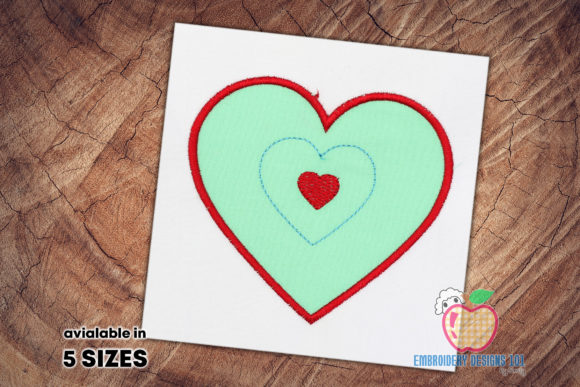
Hands with Heart Applique
A Craft Fair Designer’s Real-World Review Before Booth Day
As an embroidery designer who’s packed, stitched, and sold at over 40 craft fairs—from snowy winter markets to sun-drenched summer pop-ups—I approach every new machine embroidery design like a product scout: Does it stop browsers? Does it translate from screen to stitch? Does it hold up under booth lighting, camera flash, and curious fingers? That’s why I opened Hands with Heart Applique with a critical eye—and a stack of tote bags, tea towels, and scrap fabric ready to test.
First Impression: Warm, Timeless, and Instantly Readable
Hands with Heart Applique lands exactly where it should for Valentine S Day—and beyond: soft but confident, heartfelt but not saccharine. It reads as modern rustic: clean line work implied by the title, no excessive flourishes, no cartoonish exaggeration. That’s gold for handmade markets. Shoppers scanning a crowded table don’t pause for cryptic symbols—they lock onto emotional clarity. Two hands cradling a heart? Immediate recognition. No translation needed. It feels premium without looking expensive, handmade without looking amateur.
Where It Shines on Craft Fair Products
This isn’t a one-size-fits-all motif—it’s a strategic accent. Here’s how it performs across high-turnover craft fair items:
- Tote bag design: Perfect as a centered chest panel (4–5" wide). Reads clearly from 6 feet away—ideal for shoppers browsing while holding coffee and a kid’s hand.
- Apron embroidery: Works beautifully above the pocket or along the waistband. The gesture feels intentional, personal—not decorative filler.
- Tea towel embroidery: Crisp on cotton or linen blends. Avoid overly textured terry; smooth weaves let the shape breathe.
- Embroidered patch: Excellent candidate for iron-on or sew-on patches. Clean edges mean sharp cutouts and minimal fraying—even after washing.
- Fabric pouch & pillow cover: Strong focal point at 3–4" scale. Holds visual weight without overwhelming small surfaces.
- Caps & curved surfaces: Proceed with caution—test first. The heart’s curve may distort on low-profile caps unless digitized with gentle pull compensation (check your embroidery file notes).
What Makes It Sell—Beyond the Stitch
Hands with Heart Applique earns its spot in your lineup because it supports *storytelling*. Buyers don’t just buy a stitched heart—they buy “the gift I’ll give my sister who helped me through chemo,” or “the apron I wear when baking with my daughter.” That resonance lifts perceived value. On a shelf next to generic florals or scripty quotes, this design stands out for its quiet sincerity.
It also strengthens booth display strength. When arranged across multiple products—tote, tea towel, pouch, patch—the repetition builds brand consistency without monotony. And yes—it photographs exceptionally well for Etsy listings and printable mockups. Clean lines, balanced negative space, and strong contrast potential mean your product shots look cohesive and professional, even shot on an iPhone.
Production Reality Check: What to Watch For
Before you load 50 hoops, take these practical notes:
- Stitch density matters. If your version includes dense fill areas in the heart or hand outlines, test on your target fabric. Heavy stitch density + thick canvas = puckering. Use cutaway stabilizer for structured totes; tear-away works fine for lightweight tea towels.
- No tiny lettering or micro-details here—good news. This is a shape-driven design, so scaling down to 2.5" still retains legibility. But avoid going smaller than 2"—the hands lose definition.
- Dark fabric? Prioritize thread contrast. A light pink or cream heart against navy denim reads beautifully—but only if your thread colors are saturated enough. Always stitch a sample with your intended thread palette.
- Hoop size & spacing: Confirm the largest version fits your standard hoop. If it pushes 7", you’ll need to re-hoop mid-design on smaller machines—slowing batch production. Also check spacing between hands and heart: too tight, and it stitches like one solid mass; too loose, and the gesture feels disconnected.
Designer-to-Designer Must-Dos Before You Sell
This isn’t just about stitching—it’s about delivering a trustworthy finished product. As someone who’s had customers return embroidered tea towels because the heart bled through the fabric, here’s my non-negotiable checklist:
- Test the design on actual scrap fabric—not just stabilizer swatches.
- Compare thread colors across three fabric bases: light, medium, and dark.
- Review spacing and stitch order in your embroidery software—especially color change points. Are hands stitched before or after the heart? Flow affects stability.
- Confirm your commercial embroidery license status. Just because it’s a digital embroidery file doesn’t mean resale rights are included—verify before labeling it a small shop product.
- Create at least one real-world mockup: stitch it, press it, hang it on your booth display rack, and walk away for 10 minutes. Come back and ask: Does it still catch my eye? Does it feel handmade—not machine-made?
Final Thought: Why Hands with Heart Applique Fits Your Business Right Now
In a market flooded with trendy fonts and over-digitized motifs, Hands with Heart Applique offers something rare: emotional authenticity with production pragmatism. It works for the Etsy seller launching her first embroidered line, the boutique maker refreshing seasonal inventory, and the Cricut + embroidery hybrid crafter building layered gifts. It’s versatile enough for Valentine S Day—but grounded enough to sell year-round as a symbol of care, connection, and quiet strength.
For craft fair sellers, that’s not just another embroidery file. It’s a conversation starter. A repeatable craft fair product. A signature touch that says, without words: This was made with attention. With intention. With hands—and heart.