Cat Playing with Ball Applique
A Designer’s Real-World Test for Personalized Gift Makers
As an embroidery designer who’s shipped over 2,000 custom orders for baby boutiques, wedding studios, and Etsy shops, I opened Cat Playing with Ball Applique expecting charm—and got something more: quiet versatility. This isn’t just another cat motif. It’s a soft-spoken storyteller in thread—playful without being cutesy, detailed without feeling fussy, and warm enough to feel handmade even at first glance.
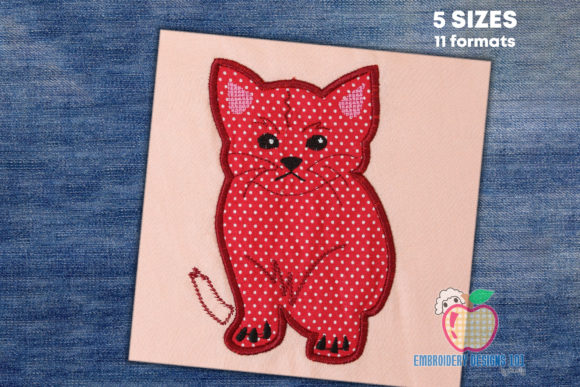
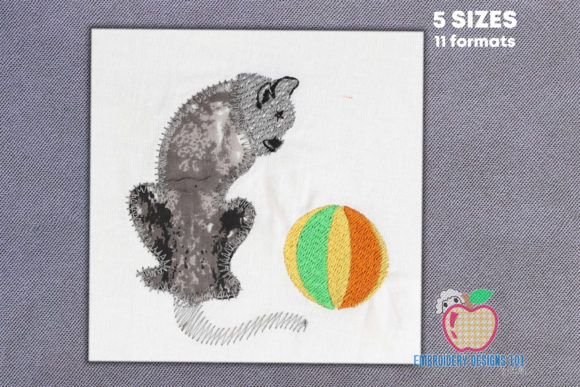
The mood lands somewhere between nostalgic and modern: think hand-drawn sketch meets precise machine execution. The cat’s posture—paws gently wrapped around the ball, tail curled mid-movement—creates gentle motion. Its face is expressive but not exaggerated, making it equally at home on a linen baby blanket and a rustic kitchen towel. No seasonal clichés, no glittery accents—just clean line work, balanced fill areas, and subtle texture in the fur rendering. That’s why it reads as both classic and current.
Where This Design Truly Shines in Your Product Line
Baby embroidery is where Cat Playing with Ball Applique earns its keep. Stitched onto organic cotton swaddle blankets or muslin lovey corners, it adds tenderness without overwhelming delicate scale. For nursery decor, try it centered on a 12” x 12” pillow cover—paired with neutral thread colors like heather gray or oatmeal, it feels curated, not mass-produced.
For wedding gifts, imagine it stitched subtly on the corner of a monogrammed linen napkin set or the hem of a bridesmaid’s apron. It’s unexpected enough to spark conversation, gentle enough to honor tradition. And because it avoids hearts or florals, it appeals to couples who lean minimalist, literary, or pet-loving—no forced romance required.
Etsy sellers and small shop owners will appreciate how well this machine embroidery design photographs. Its clear silhouette and intentional negative space make it ideal for printable mockups—whether you’re showing customers how it looks on a canvas tote or a waffle-knit towel. That visual clarity translates directly to higher click-throughs and fewer “What does it *really* look like?” messages.
It also works beautifully across categories that demand emotional resonance: personalized towels (great for cat-loving grandparents), keepsake baby milestone blankets, craft fair totes (pair with a handwritten tag: “Made for someone who believes in naps and mischief”), and even custom order previews for local gift shops.
Where to Use It Thoughtfully—Not Everywhere
This design is forgiving—but not magic. Avoid placing Cat Playing with Ball Applique on heavily textured fabric like thick terry cloth towels unless you’ve tested stabilizer layers thoroughly. The ball detail and whisker lines can blur if the base fabric shifts or puckers.
Don’t use it for stretchy baby onesies without proper cutaway stabilizer and reduced stitch density—the cat’s curved body won’t hold shape on knit fabric without support. Likewise, skip curved surfaces (like rounded ceramic mugs with embroidered sleeves) unless you’re using specialized hoops and digitizing adjustments.
Dark fabric? Yes—but only if your thread colors offer strong contrast. A charcoal-gray cat on black twill disappears. Always test your chosen thread colors against the final substrate. And never assume small lettering will read clearly; this design has no built-in text, but if you’re adding names or dates nearby, keep them separate and legible.
How It Elevates Your Handmade Product—and Your Reputation
Customers don’t buy embroidery—they buy meaning. Cat Playing with Ball Applique taps into universal warmth: companionship, quiet joy, gentle curiosity. When stitched onto a baby blanket, it whispers “I see your love for cats—and your care for this little one.” On a wedding towel? “This gift honors who you are, not just what you celebrate.” That emotional connection builds trust faster than any product description.
That perceived value lifts your entire lineup. A $28 embroidered towel feels like a $45 heirloom when the stitching is crisp, balanced, and emotionally resonant. Buyers notice. They photograph it. They tag you. And yes—they return for matching pillow covers.
Practical Embroidery Notes Every Maker Should Follow
Before stitching your first customer-ready piece:
- Test on scrap fabric—especially if switching from cotton to linen or terry. Watch how the ball’s roundness holds up.
- Confirm hoop size and whether the design fits comfortably within your machine’s throat space. Some versions may require re-hooping for larger formats.
- Review stitch density. Overly dense fills can cause stiffness on lightweight fabrics like baby muslin. Lighten if needed—or choose a version optimized for soft goods.
- Match stabilizer to end use: tear-away for stable wovens, cutaway for knits or high-wash items like kitchen towels.
- Compare light and dark fabric mockups. What reads softly on ivory may vanish on navy—adjust thread accordingly.
- Check small details after stitching: whiskers, paw pads, and the ball’s seam line should be distinct—not fused or frayed.
- Verify commercial licensing before selling finished products. Not all digital embroidery files permit resale of physical goods—check the terms included with your digital embroidery file.
Remember: every personalized gift starts with intention—and ends with how it makes someone feel. Cat Playing with Ball Applique gives you a quiet, confident foundation to build that feeling, again and again.
Whether you’re an Etsy seller launching your first embroidered tote collection, a baby product creator designing milestone blankets, or a wedding gift studio curating heirloom-quality linens—this embroidery file isn’t just versatile. It’s trustworthy. And in handmade commerce, that’s the highest compliment of all.