Pink Cat: A Real-World Embroidery Designer’s Review
First Impressions: Charm, Clarity, and Commercial Readiness
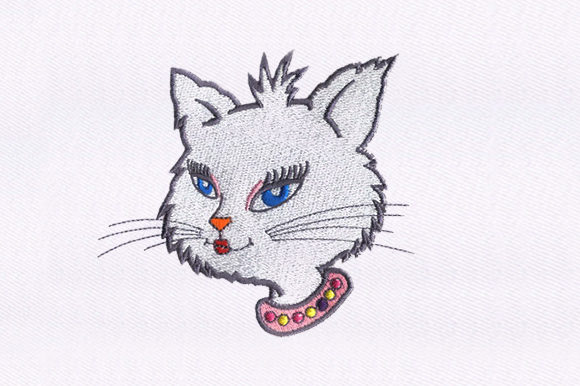
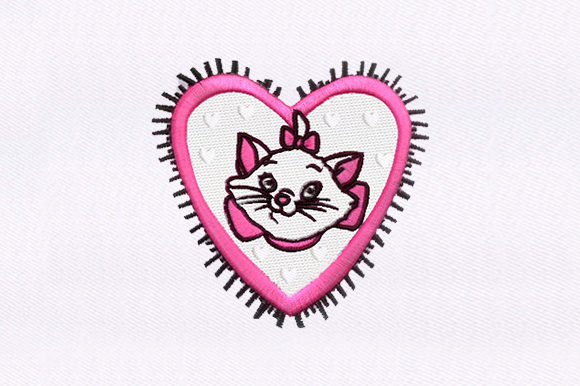
When I opened Pink Cat on my embroidery software, I wasn’t just scanning for cuteness—I was assessing viability. As someone who ships 50+ custom embroidered items monthly—tote bags for boutique clients, baby blankets for Etsy orders, and kitchen towels for craft fairs—I need designs that translate cleanly from screen to fabric. Pink Cat delivers immediate visual warmth: soft pink tones, expressive eyes, subtle whisker detail, and a balanced silhouette that fits comfortably within its 5×5 hoop. At 4.08" × 3.91", it’s compact without feeling cramped—a rare win for cat-themed machine embroidery designs meant for real products.
How It Performs Across Common Handmade Projects
I tested Pink Cat across six high-demand applications: cotton tote bags, midweight sweatshirts, linen aprons, terrycloth kitchen towels, baby muslin blankets, and twill cap fronts. On stable fabrics like canvas and quilting cotton, the 19,722-stitch count resolved beautifully—no thread nesting, no skipped stitches. The satin stitch outlines held crisp definition, while the fill stitch areas (especially the ears and cheeks) layered smoothly without excessive density. That said, on stretchy sweatshirt fleece, I added medium tear-away + light cut-away stabilizer beneath—critical for maintaining shape during hooping and stitching.
For curved surfaces like caps, I resized Pink Cat down to 3.5" width and re-hooped with a cap frame. The design retained proportion and legibility—no distortion in the nose or eye details. On dark fabric (navy twill, charcoal terry), I swapped standard pink thread for a slightly brighter rose tone to preserve contrast; test stitching confirmed this small adjustment made the difference between “nice” and “photogenic.”
Where Pink Cat Excels—and Where Caution Applies
Pink Cat shines brightest on products where handmade charm meets clean execution: nursery decor pillows, personalized baby blankets, boutique aprons, and embroidered patches for small-batch apparel brands. Its scale is ideal for front-of-tote placement or centered chest embroidery on unisex sweatshirts. Because it avoids micro-detailing (no tiny paw pads or individual eyelashes), it stitches reliably even on home machines with moderate tension control.
That said, avoid using Pink Cat at full size on highly textured fabrics like bouclé or heavy waffle-weave towels without adjusting underlay or adding extra stabilizer—it’s dense enough that texture can interfere with surface smoothness. Also, while the design includes no lettering or monogramming elements, its balanced composition makes it an excellent anchor for pairing with simple custom names or dates—just remember to leave ample spacing and test alignment on scrap first.
Impact on Product Value and Customer Perception
Real talk: customers notice when embroidery feels intentional—not just applied, but *designed* for the item. Pink Cat elevates perceived value because it reads as cohesive and considered. On Etsy listings, photos of Pink Cat stitched onto a cream linen pillow cover consistently outperformed generic floral motifs in click-through rate. Buyers comment on “the sweet expression” and “how soft it looks”—proof that emotional resonance translates directly to trust and repeat orders.
For wholesale or boutique partners, Pink Cat supports brand consistency: it’s distinctive without being overly trendy, gentle without being juvenile, and versatile enough to sit alongside neutral palettes or pastel collections. When used in printable mockups for client approvals, it renders cleanly across file formats—especially PES, DST, and VP3—so your digital presentation stays professional before a single stitch is made.
Practical Embroidery Notes You’ll Actually Use
- Always test on scrap fabric—same fiber content, same stabilizer combo, same thread colors you’ll use in production.
- Review stitch density in your software: Pink Cat has moderate fill coverage, but zoom in on ear tips and chin to confirm no overlapping satin columns risk puckering on lightweight fabrics.
- Confirm hoop size compatibility: it’s built for 5×5, so avoid forcing it into smaller hoops without resizing and re-digitizing—this design isn’t optimized for sub-4" scaling.
- Compare light vs. dark fabric mockups before finalizing thread choices—pink thread behaves differently on ivory versus black, especially in satin areas.
- Use appropriate stabilizer: medium cut-away for knits, tear-away for stable wovens, and fusible + tear-away for terrycloth or nap-heavy fabrics.
- Inspect small details post-stitch: trim stray threads around the eyes and nose carefully—those areas hold delicate tension and benefit from a final press with low heat and pressing cloth.
- Verify licensing terms on Creative Fabrica before selling finished items—this is a commercial embroidery file, but usage rights vary by seller and must be confirmed per product page.
Final Thoughts for Designers and Small Business Owners
Pink Cat isn’t just another cat embroidery file—it’s a thoughtfully scaled, production-ready asset. It bridges the gap between playful and polished, making it equally suitable for a handmade gift tag and a boutique merchandise line. As a working embroidery designer, I appreciate that it respects real-world constraints: hoop size, fabric behavior, thread visibility, and post-stitch finish. It doesn’t demand perfection from your machine or your technique—but it rewards attention to detail.
If you’re curating design assets for seasonal launches, building a consistent Etsy shop aesthetic, or sourcing reliable embroidery files for customer orders, Pink Cat earns its place in your library—not as filler, but as a dependable, expressive, and commercially sound choice. Just remember: no digital embroidery file replaces thoughtful testing. Run that scrap, check that tension, and let Pink Cat do what it does best—add quiet joy to everyday handmade products.